CoServ Answers the Call in the Navajo Nation
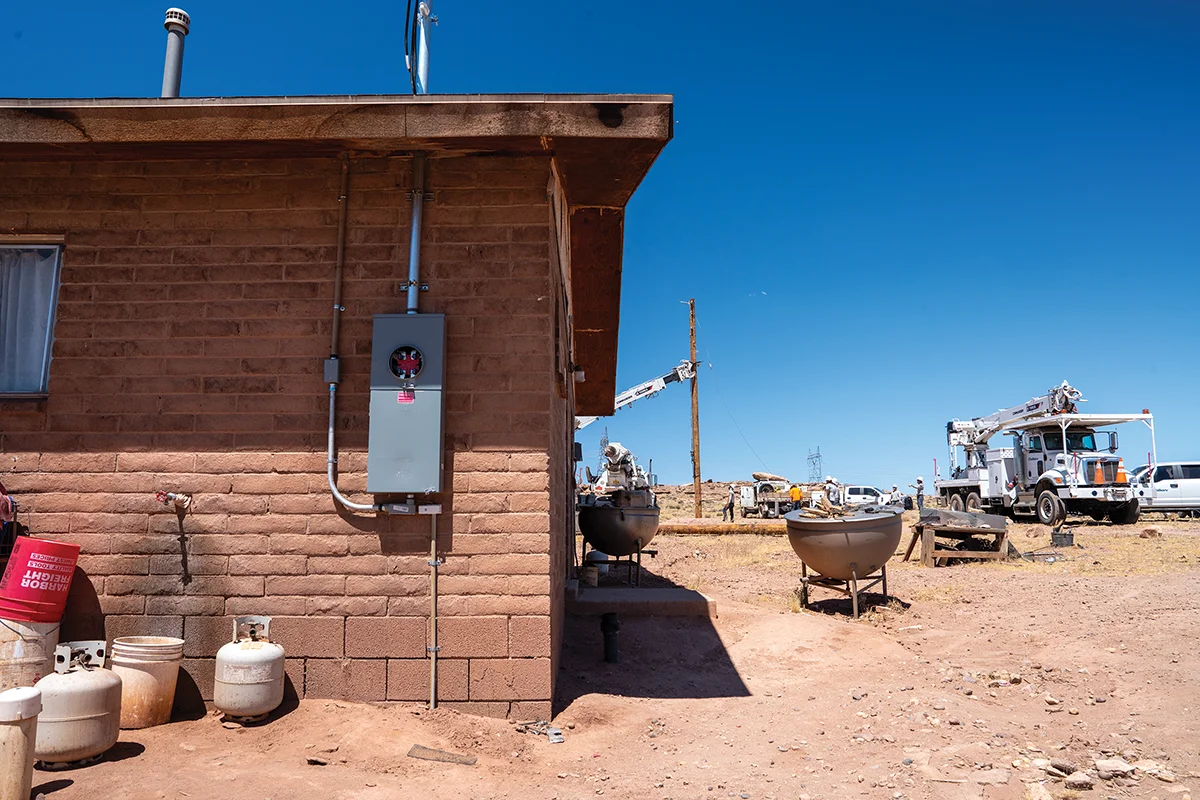
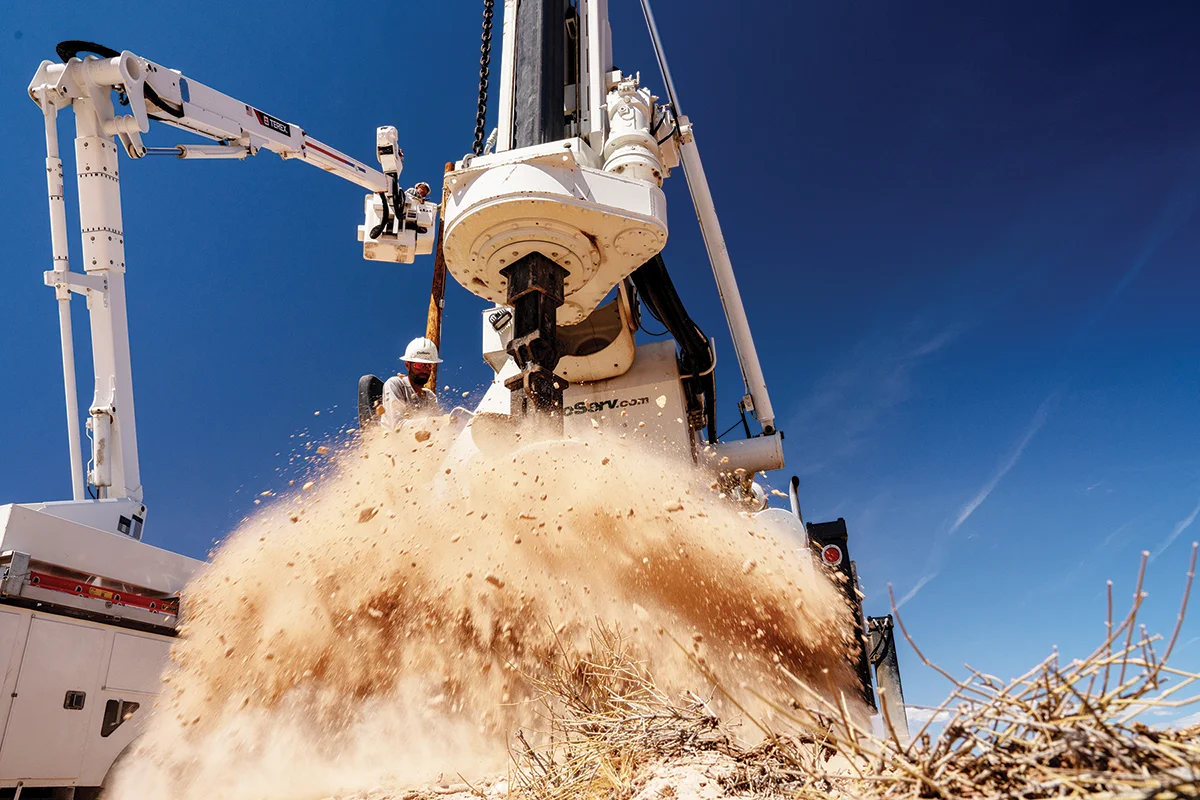
A CONVOY OF COSERV bucket trucks and support vehicles arrived in the remote Arizona desert, a beacon of hope for the Navajo Nation.
After generations of waiting, electricity is almost here.
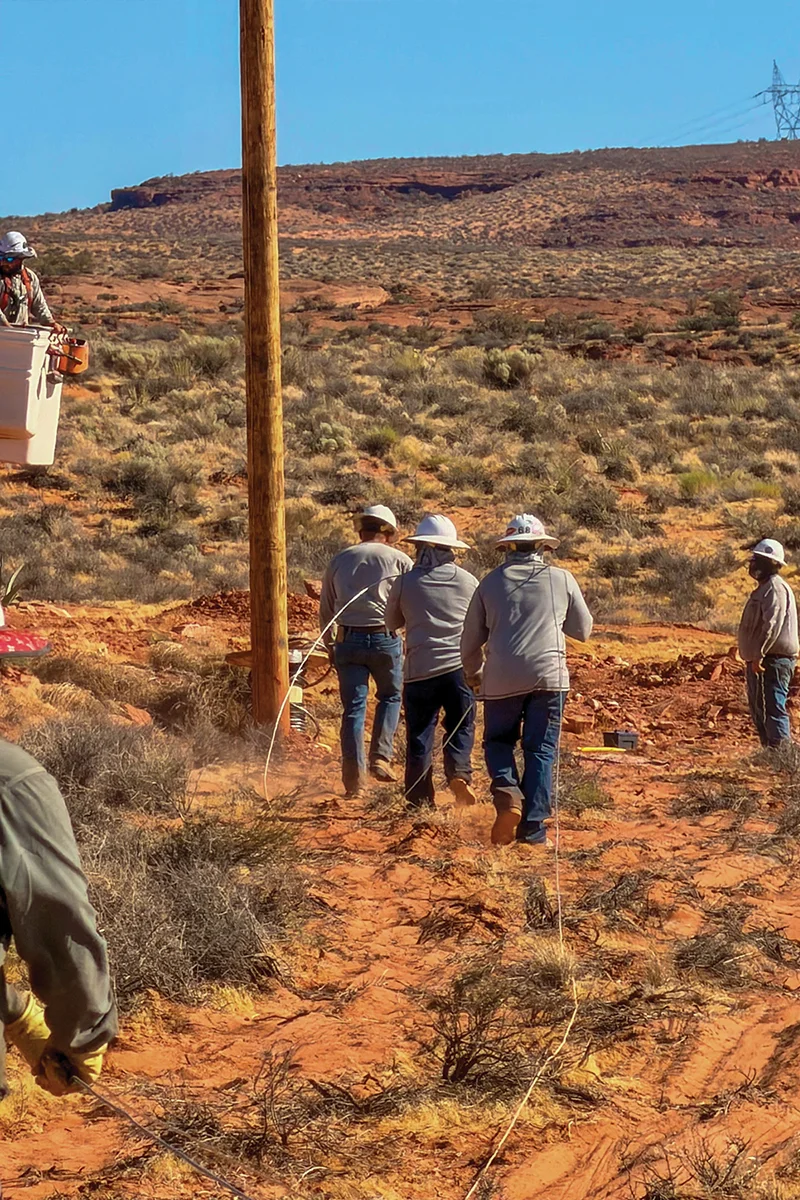
The days were hot and grueling, lasting from sunrise to sunset, all to connect a handful of houses in this sparsely populated region in Tuba City and Cameron, AZ.
“You build miles of line, you may only get two meters on,” said Journeyman Lineman Cody McBee. “It’s hot, it’s dry and dusty. But at the end of it, it’s all worth it.”
2026 marked CoServ’s first year participating in Light Up Navajo, a humanitarian effort to bring power to remote regions of the Navajo Nation that don’t have electricity. The effort is done in conjunction with the Navajo Tribal Utility Authority (NTUA) and the American Public Power Association.
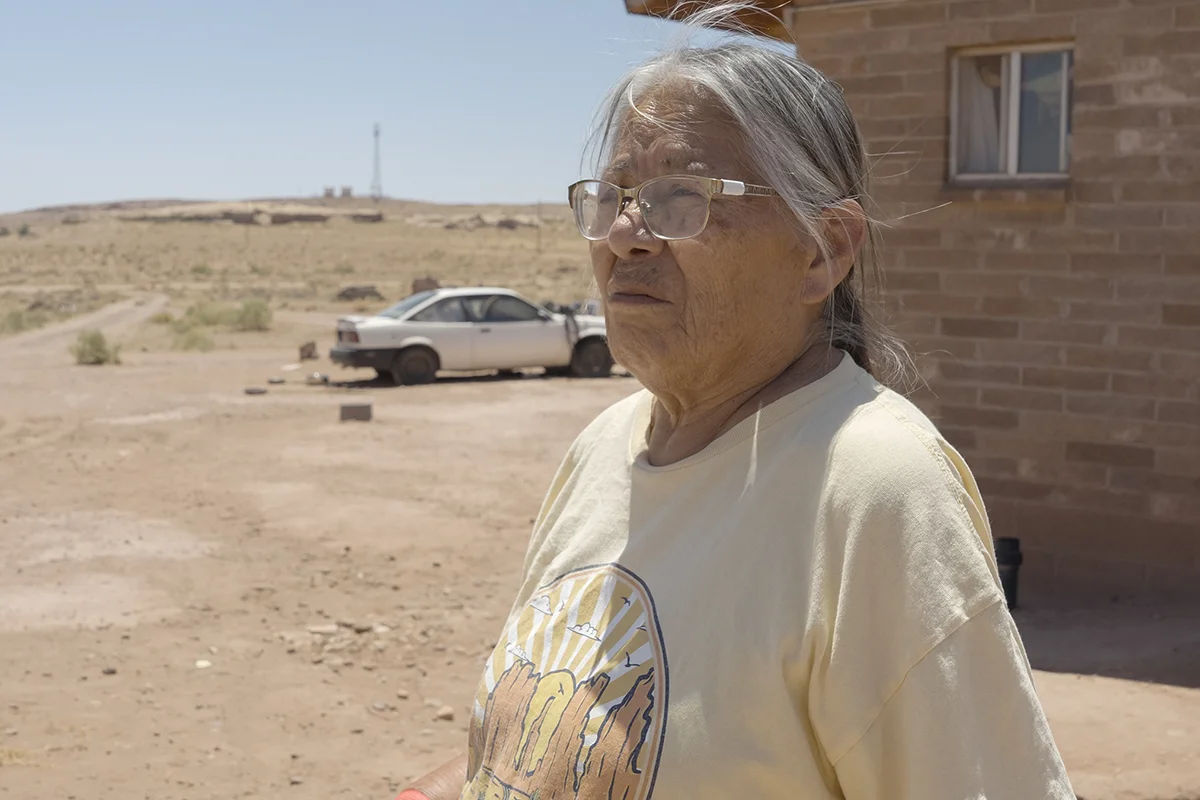
Navajo Nation resident Gloria Chee has lived her whole life on this land. Years ago, she had a generator, then a solar panel to provide limited electricity, but both stopped working. She estimates that about half of her 70-plus years have been spent without electricity.
“At least I’ll have electricity for a refrigerator, or a cooler, an air conditioner – I would love to have those. Maybe a microwave,” Gloria said. “I don’t have to have my flashlight with me all the time.”
She said she’s appreciative of CoServ’s efforts.
“It’s a long way for you to travel just to do this for my people,” Gloria said.
Kelly Kiltso said he’s been staying close to town, but now that power is available farther out, he’ll be able to move closer to family, which means everything to him.
“I feel good because I can get out there in the wide open with my family,” Kelly said. “They did a good job and I really appreciate it.”
As a gesture of appreciation, Kelly and his family prepared a traditional Navajo fry bread meal topped with beans and meat for the CoServ Employees. They also set up canopies and tables in their yard, creating a welcoming space where everyone could enjoy the meal while escaping the harsh sun.
Power Quality Troubleman Matt Honea, who along with all the Employees on the Light Up Navajo assignment, jumped at the chance to take on this mission.
This is the reason he became a lineman and it goes back to one of CoServ’s Core Values of service, which is defined as given when one acts for the benefit of another. He’s proud to be able to use his expertise to improve the lives of others.
“Not everybody can come out here and bore a hole in the side of a mountain and set up a pole and run primary power so they can turn the lights on and have air conditioning,” Matt said. “It’s our duty.”
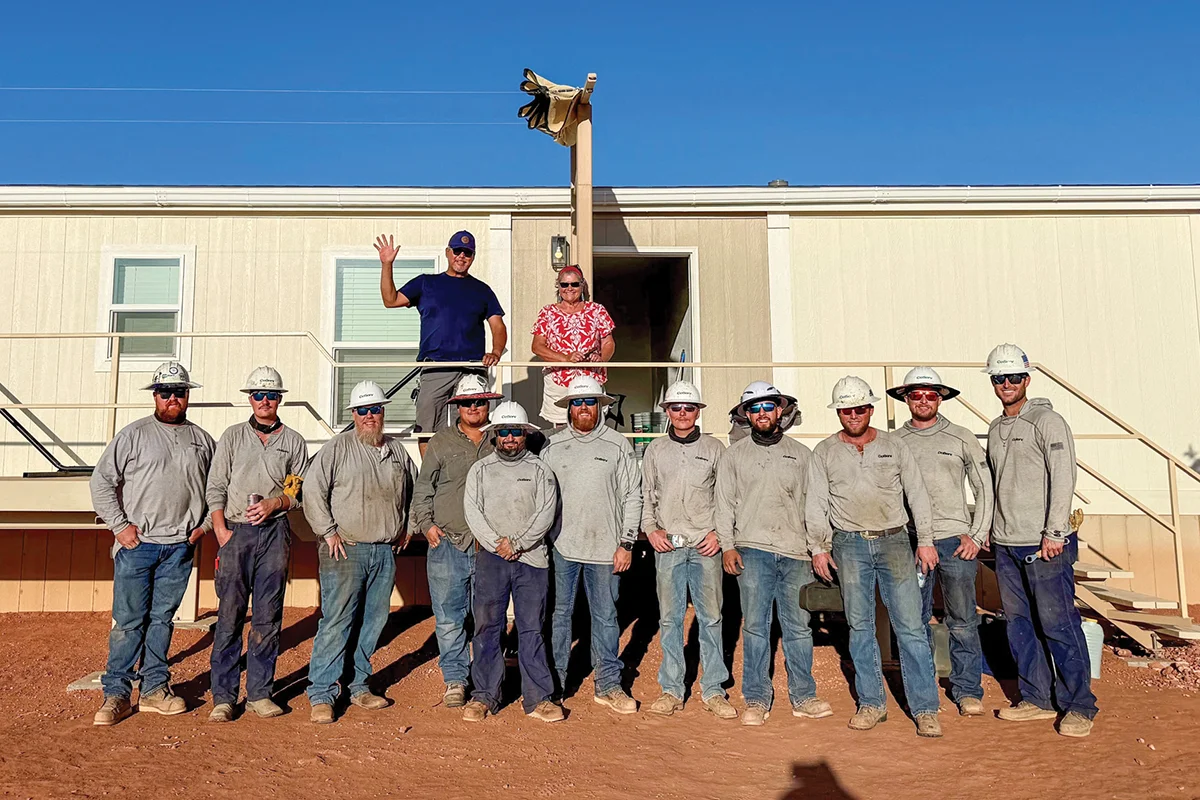
In all, CoServ sent 22 Operations Employees to Light Up Navajo, split into two groups. Each was gone for a week at a time.
Deenise Becenti, government and public affairs manager for the NTUA, said an estimated 9,000 households don’t have power within Navajo Nation, so the work is far from finished.
“Light up Navajo is a program that dramatically changes the life of everyone. Not only the families who have been connected but the lineworkers who come out here to connect families to the grid,” Deenise said.
Before each group headed home, the NTUA hosted an appreciation dinner with traditional Navajo foods. Held in a small meeting room at the NTUA office, the gathering brought together 50 to 60 people to converse, laugh, and dance. Despite the 82-degree room and lack of air conditioning, the atmosphere was warm in every sense of the word.
Tables throughout the room featured handmade Navajo jewelry and other items like homemade salsa. CoServ groups were especially eager to purchase jewelry and gifts to take home to their spouses and children.
More than a meal, the evening offered a glimpse into Navajo culture, where everyone is considered family, and no one goes hungry. The meal culminated in a traditional pow-wow dance where the linemen joined hands with members of the Navajo Nation. What began with a little hesitation quickly turned into laughter and smiles– an unforgettable moment of connection and shared culture.
“It will probably be one of my best memories in the last 18 years that I’ve been doing this,” said Lineman Crew Supervisor Cramer Basham. “We’ve done storms and stuff like that, and that’s just a catastrophe, but this is getting power to people who have never had it.”
The Navajo are known for passing stories down from generation to generation and Matt said he believes the Navajo will never forget the linemen from Texas who brought them power in 2026.
“We left something that they’ll talk about for years,” Matt said.